
The 7-Day Insider's Guide to Studying Architecture prepares students for what the degree actually involves.
So they arrive ready, and confident it's the right course for them.
Many students arrive at university enthusiastic about architecture, but without a clear understanding of what studying architecture actually involves.
This can lead to early disengagement, disappointment, or course changes - outcomes that benefit neither students nor the discipline.
The 7-Day Insider’s Guide to Studying Architecture is designed to address this gap.
Developed from over 18 years of experience leading undergraduate architecture education, the course gives prospective students a clear, grounded insight into:
-
how architectural thinking develops
-
what studio-based learning really involves
-
the demands, expectations, and rewards of an architecture degree
Rather than promoting architecture as a career choice, the course helps students decide whether it is genuinely the right fit for them - academically, creatively, and personally.
Why this matters to architecture practices
Architecture practices consistently express concern about:
-
students starting degrees without realistic expectations
-
early attrition and loss of confidence in first year
-
graduates entering practice without a clear understanding of the profession’s foundations
This course supports the profession by encouraging:
-
better-informed applicants
-
stronger early engagement at university
-
students who enter architectural education with clarity, motivation, and resilience
By supporting or signposting students to this course, practices help nurture a more prepared, reflective, and committed future cohort — before formal education even begins.

Liz Bromley
Architectural Educator and Designer
My Background:
I was an Associate Professor and Head of the Year 1 Architectural Design Studio at the University of Nottingham from 2004 to 2022. During that time, I was responsible not only for students’ academic development, but also for their wellbeing and transition into university life.
Over 18 years of teaching, I worked closely with more than 3,000 architecture students, supporting them through the challenges and uncertainties of first year - a stage that often proves pivotal in shaping students’ confidence, expectations, and sense of direction.
The architecture degree at the University of Nottingham is widely recognised within the UK. During my time there, the course:
-
consistently ranked within the top 10 architecture degrees in the Guardian League Tables
-
was highly regarded by practice, ranking joint 3rd in the AJ100 survey (2020)
-
received a rare RIBA commendation in 2018 for the way Year 1 supports students transitioning from school to university
As Head of Year 1 Design Studio, I helped guide students from having very little prior exposure to architecture to developing strong design thinking, confidence, and capability within their first nine months of study. Equally importantly, this role gave me deep insight into the pressures, doubts, and moments of uncertainty that many students experience during this transition.
That experience sits at the heart of how this course has been designed.

Course Content:
What they’ll have access to
-
Seven days of lessons, each accompanied by practical exercises.
-
Two bonus modules.
-
Optional fortnightly Saturday group tutorials, running alongside the course.
The course is structured so that students have time to engage with each set of ideas, work through the exercises independently, and reflect on what they are learning. The group tutorials provide a regular point of connection and discussion, helping students clarify ideas and build understanding as they progress.
The seven core modules:
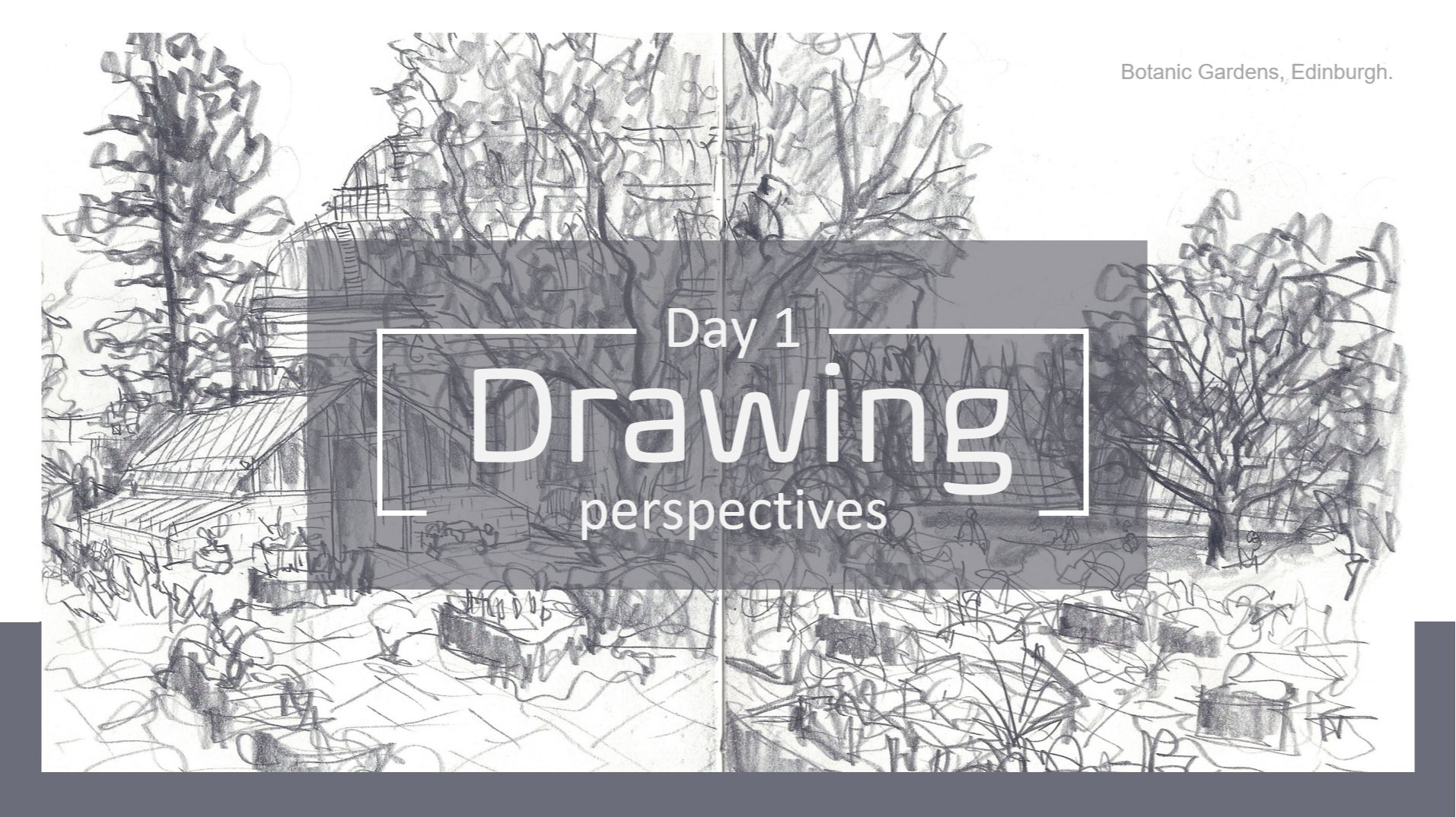
Day 1 – Drawing Perspectives
An introduction to why drawing is such a fundamental tool in architecture, and how it is used to think through and communicate ideas.
Day 2 – Experiencing Architecture
Exploring how we instinctively understand and respond to buildings and spaces, and why experience sits at the heart of architectural design.
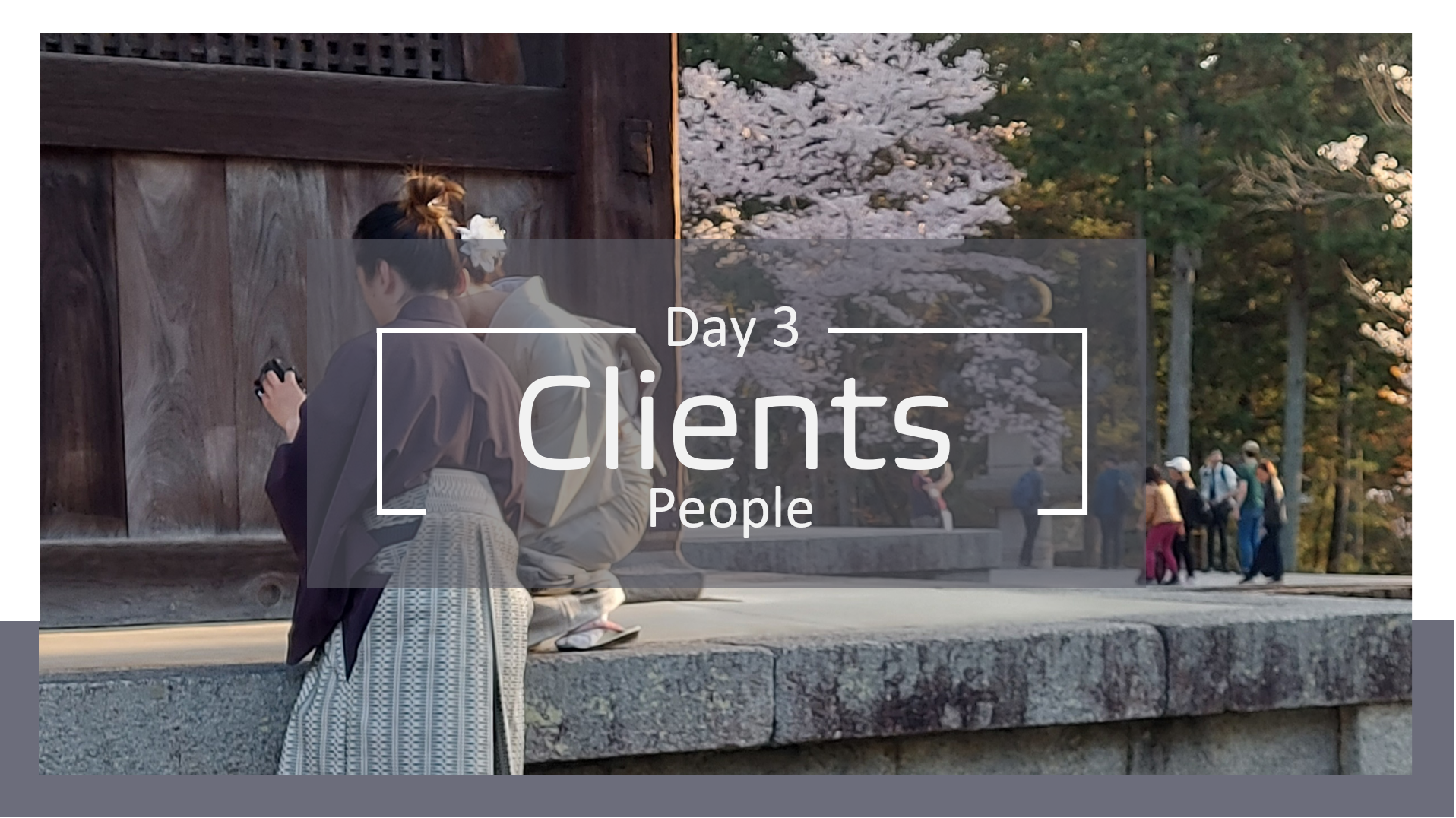
Day 3 – Designing for People
Looking at who architecture is designed for, the role of the client, and how architects respond to needs, wants, and constraints.
Day 4 – Site and Context
Understanding how buildings relate to their surroundings, and how site conditions shape design decisions.
Day 5 – Natural Light
Examining how architects use light for both practical and poetic purposes.
Day 6 – Architectural Representation and Communication
An overview of the ways architects develop and communicate design ideas, both at university and in practice.
Day 7 – The Architectural Design Process
Bringing the themes together to understand how architectural ideas are developed, tested, and refined over time.
Bonus modules
Bonus Module 1 – Architecture Courses
An overview of how architecture courses can vary across UK universities, from highly conceptual and creative approaches to more technical and pragmatic ones.
Bonus Module 2 – Studying Architecture VS Working in Practice
Exploring the differences between life as an architecture student and working as an architect in practice.

A final note before they decide:
The 7-Day Insider’s Guide to Studying Architecture is designed to give students a clear, realistic understanding of what studying architecture at university is really like.
It is intended to help them make a confident, informed decision before committing significant time, energy, and financial investment.
-
For some students, the course confirms that architecture is the right path for them.
-
For others, it provides clarity and reassurance that they may wish to pursue a different degree.
Both outcomes are valuable.
On the next page, students will see the three ways to take part in the course, so they can choose the level of support that best suits their learning style and needs.
Take your time, consider the options, and decide which feels right for you.
Three Ways to Take Part
Want to know more?
If you would like to know more or get in touch, my contact email is BromleyARC@gmail.com. I would be delighted to hear from you.